

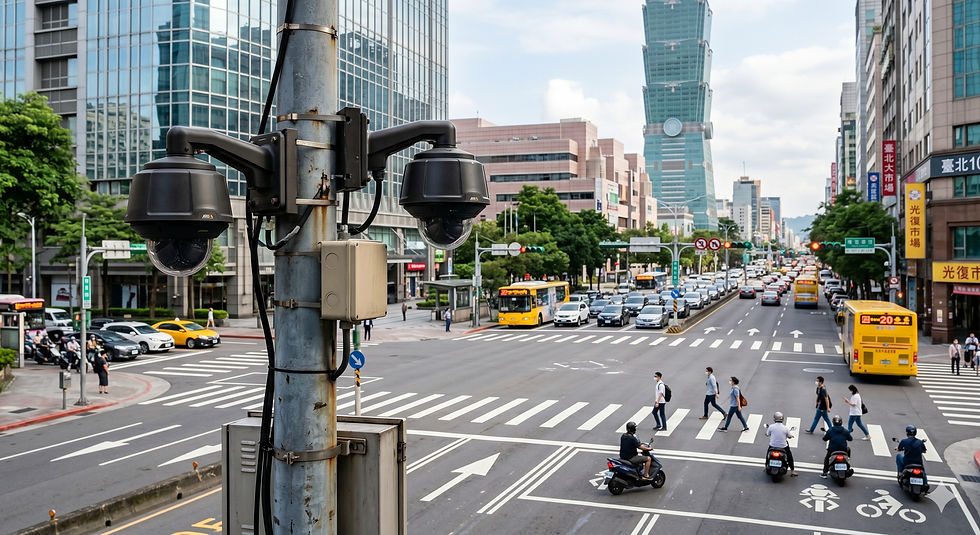
01 / Urban Intelligence
Smart Cities & Traffic Systems
Support traffic observation, object counting, event detection, and intelligent monitoring at the edge.
Situational Awareness↗

Turn visual data into actionable insight. IntelliGienic brings together imaging hardware, embedded AI, and computer vision to help products see, understand, and respond in real time.
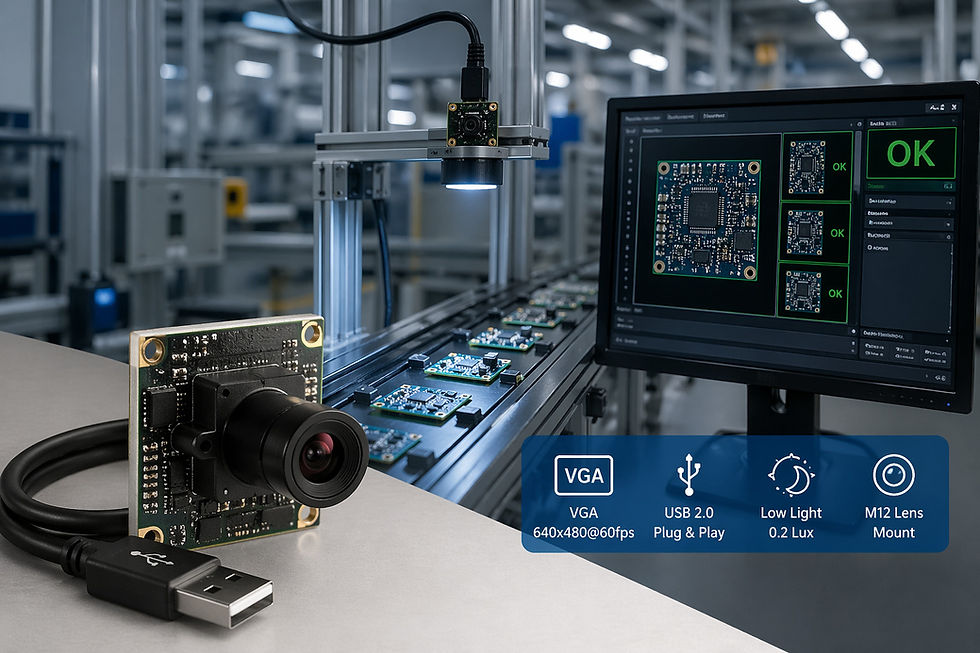
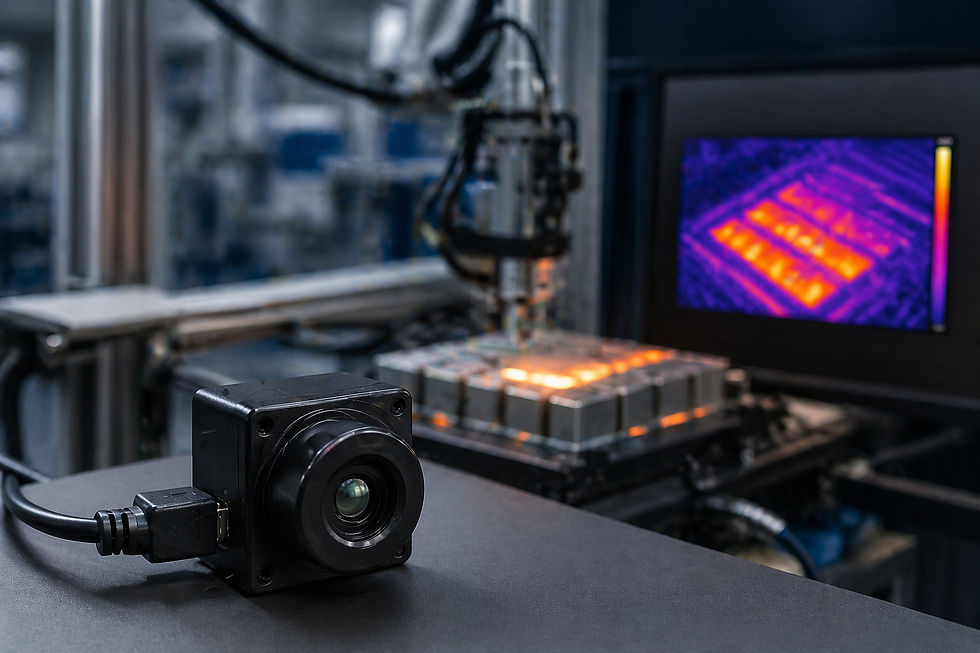
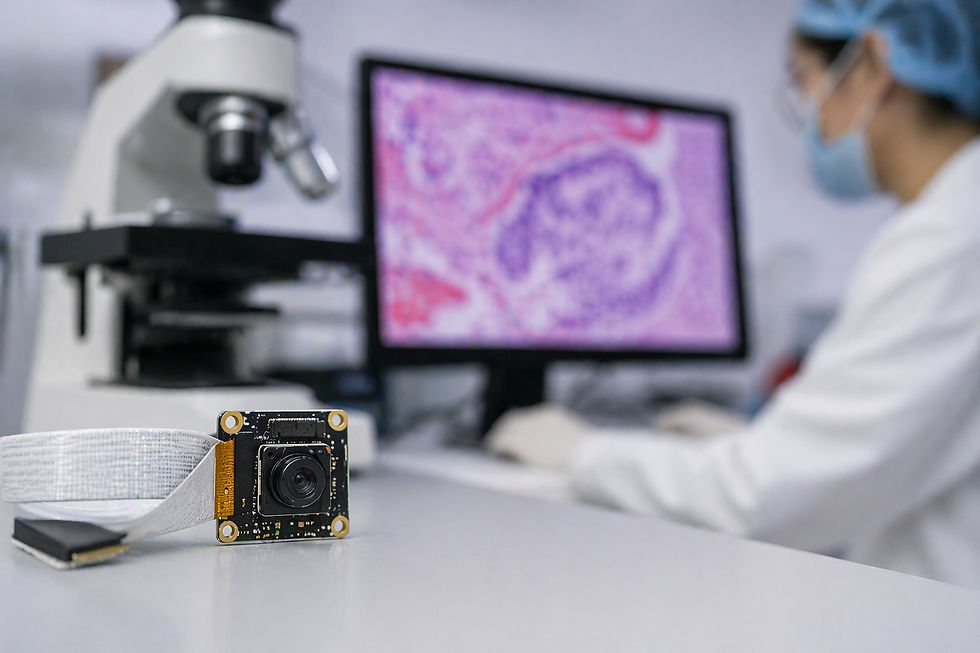
Our AI vision solutions combine capable imaging hardware with embedded AI processing and optimized vision pipelines. From image capture to inference, the system is designed to help applications detect objects, track movement, and respond to changing environments with greater efficiency.
Transform visual input into useful system intelligence with capabilities built for responsive, integrated, and scalable vision applications.
Identify and classify objects in live image streams to support visual inspection, situational awareness, smart analytics, and automated responses. Model selection and performance depend on the application, hardware, and deployment environment.
Bring multiple viewpoints into a coordinated vision workflow. System architecture can be planned around camera interfaces, timing needs, bandwidth, processing capacity, and the spatial context required by the application.
Track detected objects as they move through a scene to support counting, movement analysis, robotic perception, and event-driven workflows. Results vary with lighting, occlusion, scene complexity, and selected algorithms.
Run supported AI workloads closer to the camera using suitable embedded processors and acceleration resources. Local processing can reduce dependence on cloud connectivity and help keep visual data within the device or local network.
Coordinate image acquisition, preprocessing, inference, post-processing, and output delivery as one integrated flow. Pipeline design helps teams evaluate system bottlenecks and balance image quality, frame rate, compute resources, and power needs.
Process vision workloads on a local compute platform to support time-sensitive decisions. End-to-end latency depends on sensors, interfaces, model complexity, hardware configuration, software, and the surrounding system.
Build a cohesive path from visual input to application output, with the right mix of sensing, processing, and integration for your use case.
Collect visual data through suitable USB, MIPI, smart, or specialized imaging devices.
Prepare image streams and route workloads through an optimized vision pipeline.
Apply supported AI models for detection, recognition, tracking, and visual analysis.
Deliver results to applications, automation controllers, dashboards, or connected systems.
Adaptable vision building blocks for environments where understanding visual information can improve awareness, quality, or automation.
Support traffic observation, object counting, event detection, and intelligent monitoring at the edge.
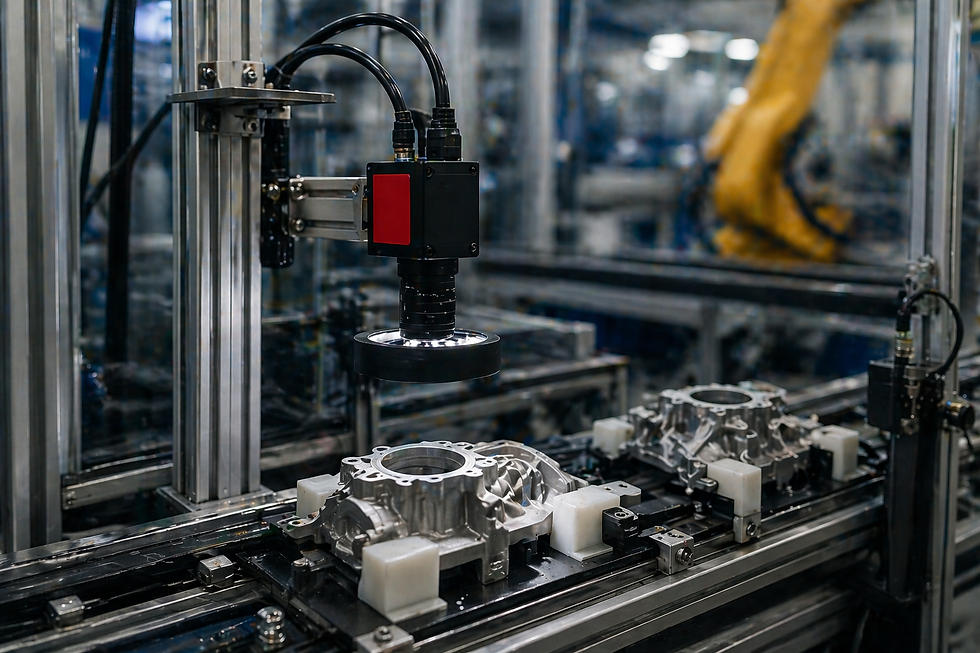
Enable visual inspection, production-line monitoring, anomaly detection, and quality-oriented workflows.
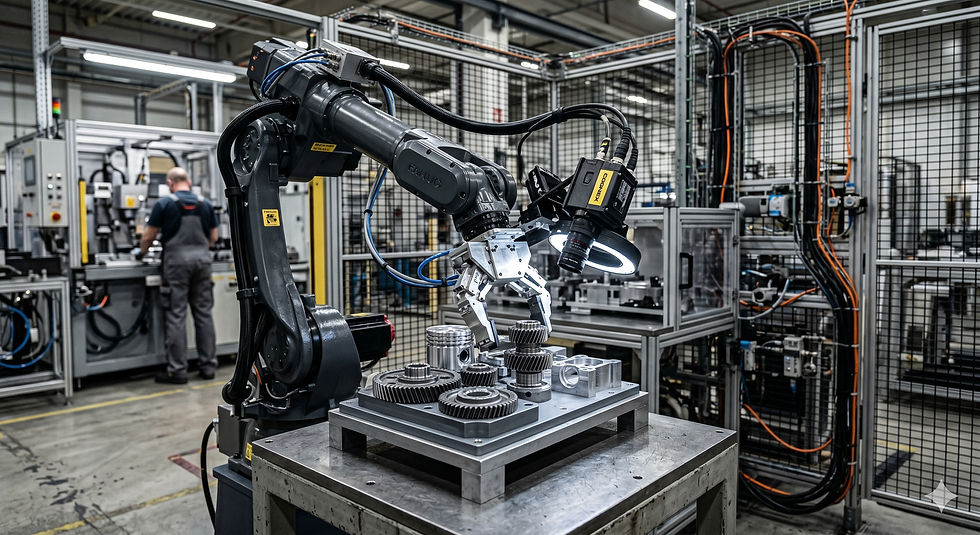
Provide visual perception for object localization, motion tracking, human-machine interaction, and robotic tasks.
Explore imaging and sensing options that can be evaluated as part of an integrated Edge AI vision solution.
Flexible camera interfaces for development, integration, and general machine vision.
Explore Products ↗Compact imaging options for embedded systems and space-conscious designs.
Explore Products ↗Thermal imaging for heat signatures, monitoring, and specialized sensing tasks.
Explore Products ↗Distance and spatial measurements to complement visual perception.
Explore Products ↗Integrated camera and Edge AI concepts for on-device visual intelligence.
Explore Solutions ↗Every deployment has different image quality, compute, latency, and integration requirements. Start with your use case and system constraints.
An AI vision solution combines imaging hardware, image-processing software, and AI models to interpret visual information—for example, identifying objects, tracking motion, or supporting inspection and automation.
Yes, when the selected camera, processor, software stack, and AI workload are compatible. On-device inference can help reduce network dependency and keep processing closer to the data source.
USB, MIPI, and smart camera options each fit different design constraints. Selection should account for host compatibility, resolution, frame rate, cable length, synchronization, environmental conditions, and available processing resources.
Integration needs can be discussed with our team, including camera and sensor selection, Edge AI platform fit, and application-level requirements. Feasibility depends on the project's technical scope and selected components.
Tell us what you need to see, detect, or automate. Let's explore the right camera, Edge AI, and integration approach for your application.
There are no products to list in this category.